Five Generations: A Trade Learned Side by Side
Knowledge in the well business is not passed down through a manual alone. It is learned by working beside someone who has already faced difficult formations, failing equipment, changing groundwater conditions and problems without obvious answers. In the Boyd family, that education has continued for five generations.
The First Generation: John Boyd in Montana
Our family’s story reaches back to 1914, when John Boyd moved his family to Montana and worked as a machinist at the Anaconda copper mine. His son John, born in Norwalk, Connecticut, in 1907, was seven years old at the time.
Working as a mine machinist required mechanical ability, careful observation and an understanding of heavy equipment operating under difficult conditions. We are still researching the surviving records to learn more about John’s work at Anaconda, but his experience represents the beginning of a family tradition built around machinery, groundwater and solving problems with your hands.
The Second Generation: Boyd Brothers
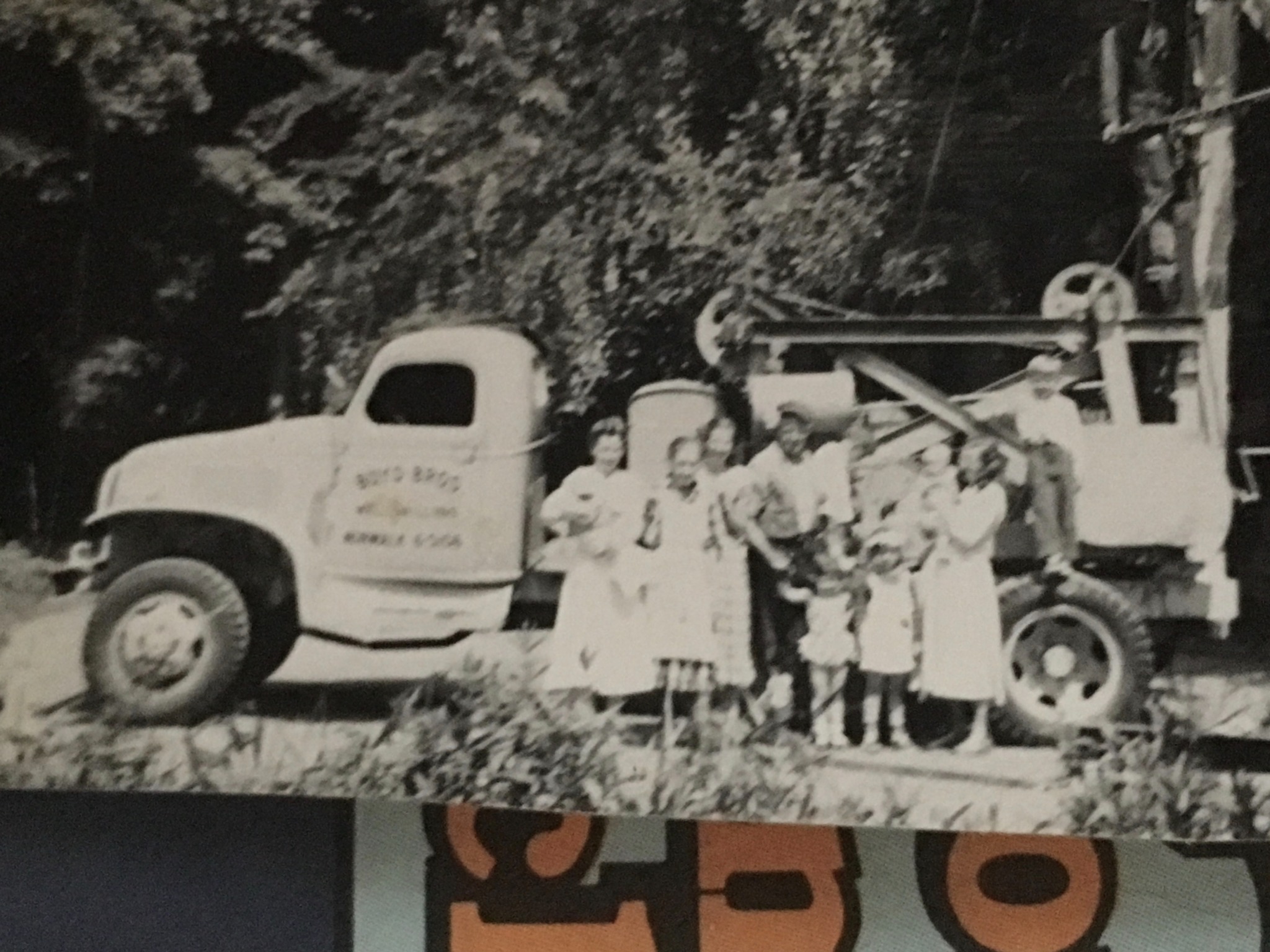
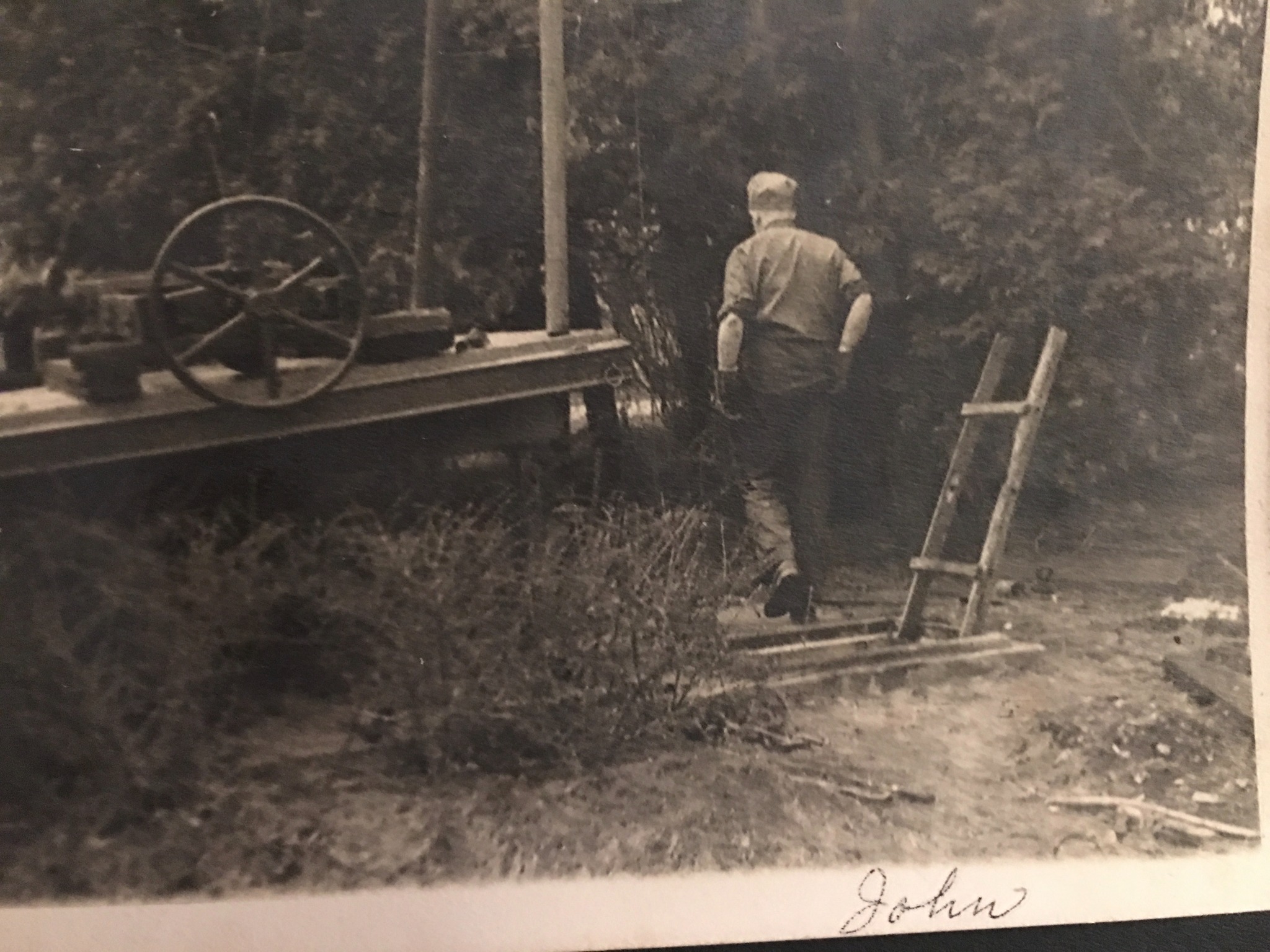
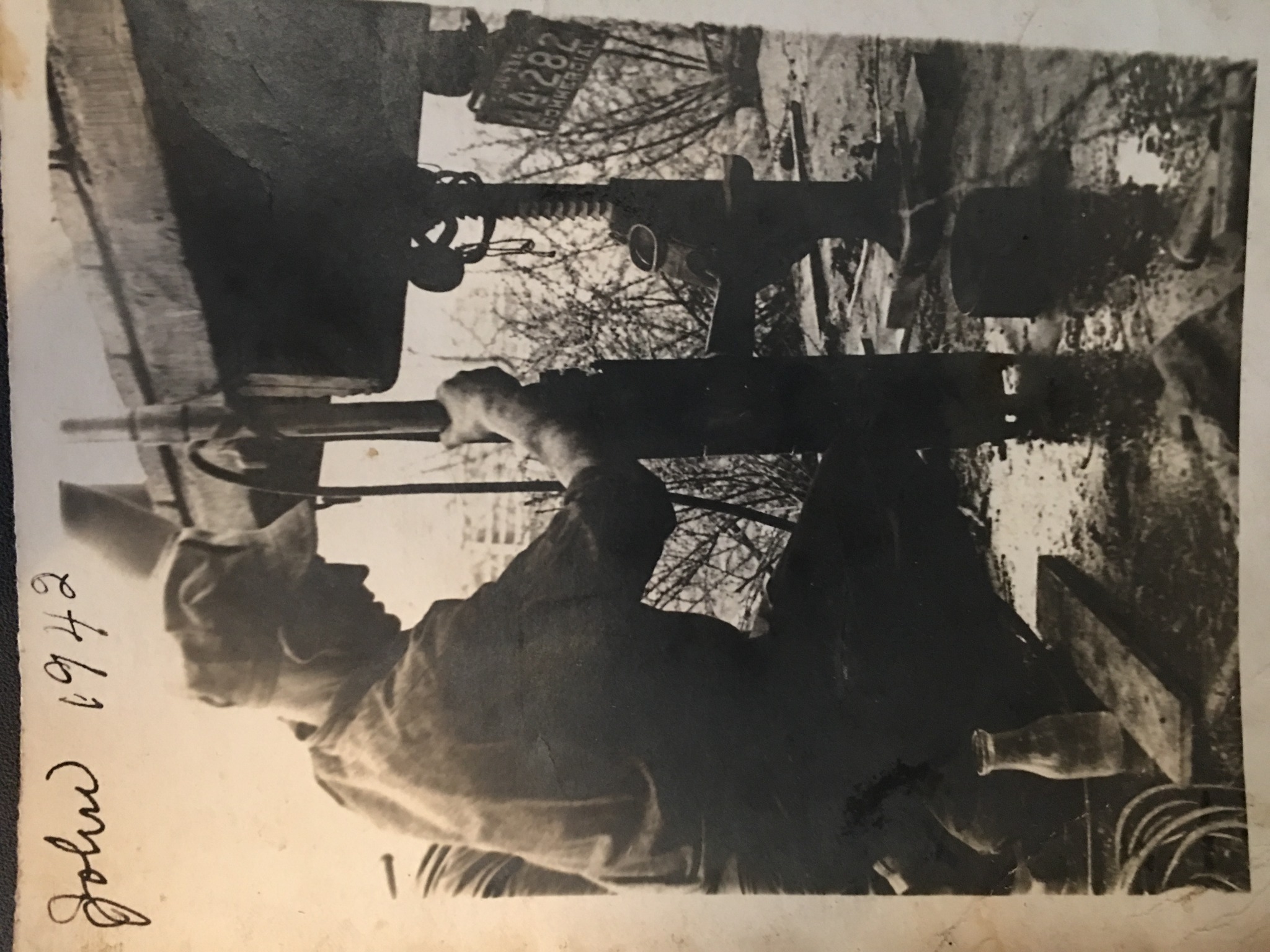
John’s son eventually returned to Connecticut. In Norwalk, he entered the well-drilling business and operated Boyd Brothers with his brother Harry.
They worked during a time when well drilling demanded physical endurance, mechanical resourcefulness and the ability to repair equipment in the field. When something failed, there was rarely a nearby dealer with a replacement part waiting on a shelf. A driller had to understand how the machinery worked, determine what had failed and find a practical way to keep the job moving.
That knowledge was passed to the next generation through everyday work.


The Third Generation: Henry Boyd
After John died, his only child, Henry Boyd, moved to Carmel, New York. In 1971, Henry established Boyd Artesian Well Co., Inc. He also purchased several local drilling businesses around that time, bringing their equipment, experience and customer histories into the family operation.
Henry operated many different types of drilling and service equipment, including Bucyrus-Erie BE-20 and BE-21 rigs, Drill-Tec DK40 rigs, Ingersoll-Rand drilling rigs, CME auger rigs and Monitor hoist trucks used for pulling well pumps. There were many other machines along the way—some remembered by name and others remembered by the jobs they completed.
Henry learned how each machine sounded and felt when it was operating properly. He also learned what the rock, soil, water and drilling returns could reveal about the formation below. Those are things that cannot be fully learned from a book.
The Fourth Generation: Learning From Our Father
My younger brother Danny and I worked with our father from the time we were kids. Henry taught us the same way he had learned: by bringing us to the job, showing us the equipment and expecting us to pay attention.
Over the years, our family has drilled shallow gravel wells and bedrock wells more than 1,200 feet deep. We spent summers drilling in the Adirondacks and worked as far south as Staten Island. Every area presented different formations, water conditions and mechanical challenges.
That experience eventually expanded beyond drilling. Through Well Pump Pro, we install and service all types of well pumps, well tanks, water-treatment equipment, booster systems, whole-house reverse-osmosis systems and much more.
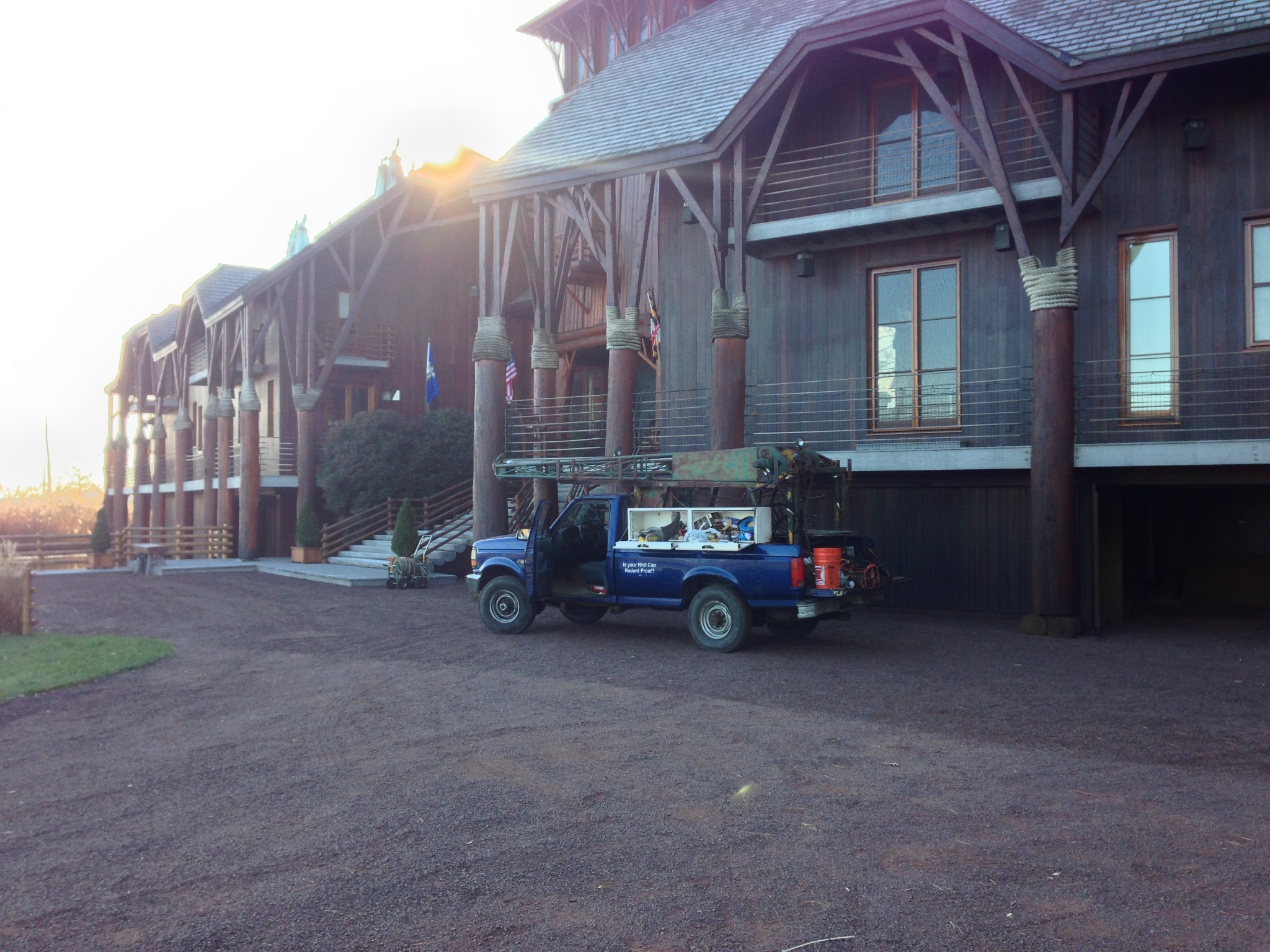
The size of the job has never determined its importance. Our work has included a whole-house reverse-osmosis system for a “14-bedroom hunting lodge” in Maryland and booster pumps that helped deliver water to the rooftop lawn at the Jacob Javits Center in Manhattan. Or just repairing a leaking pipe for a senior citizen living just down the street.
Each job matters to the person who needs water.

A Field Lesson We Never Forgot
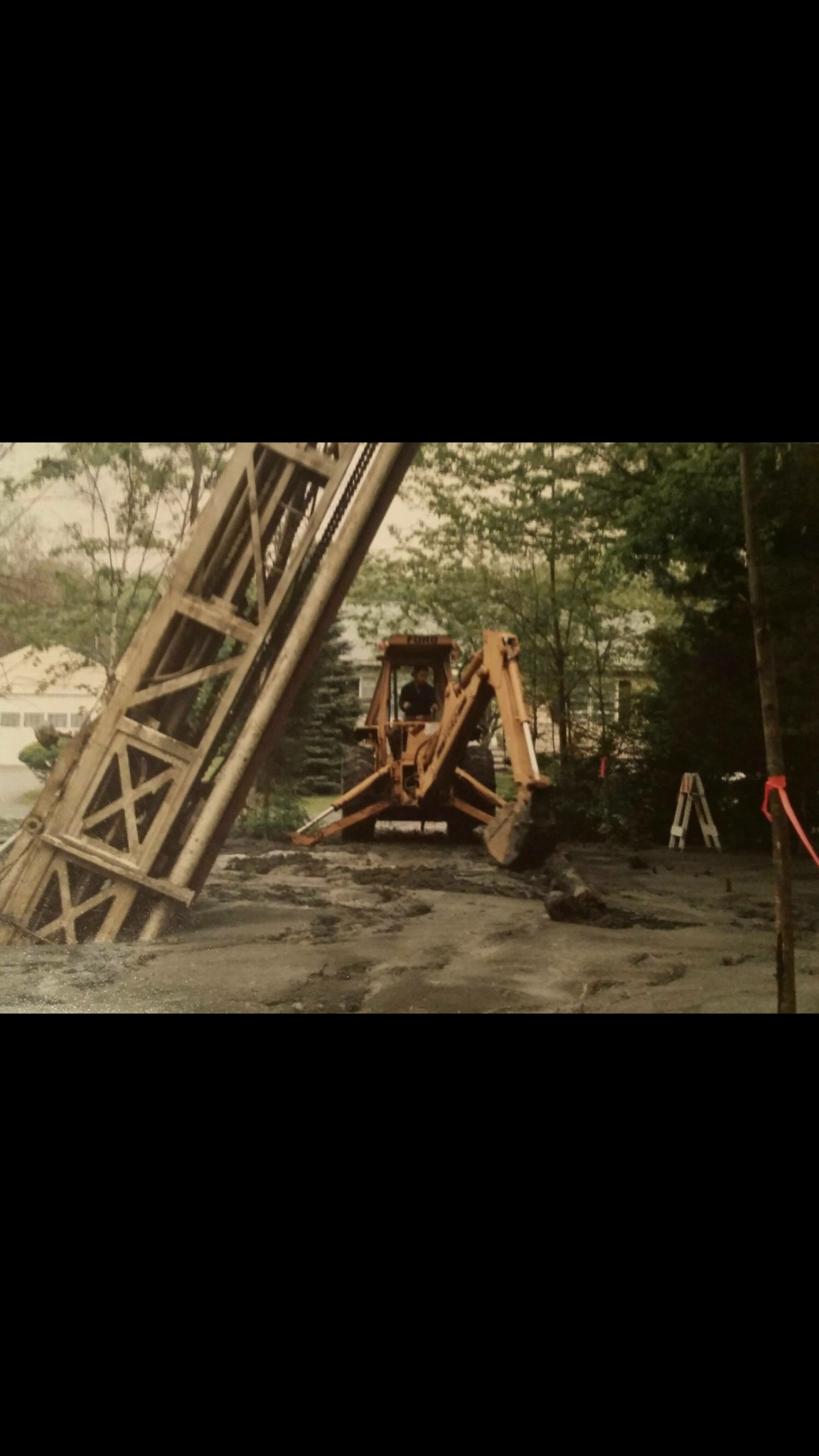
On a job in East Fishkill, a drill rig broke through unstable ground and settled halfway into the earth. I was the driller’s helper on that job. Recovering the rig was a difficult operation and an unforgettable lesson in reading ground conditions, respecting the weight of the equipment and adapting when a routine job suddenly becomes anything but routine.

The Fifth Generation: Continuing the Work
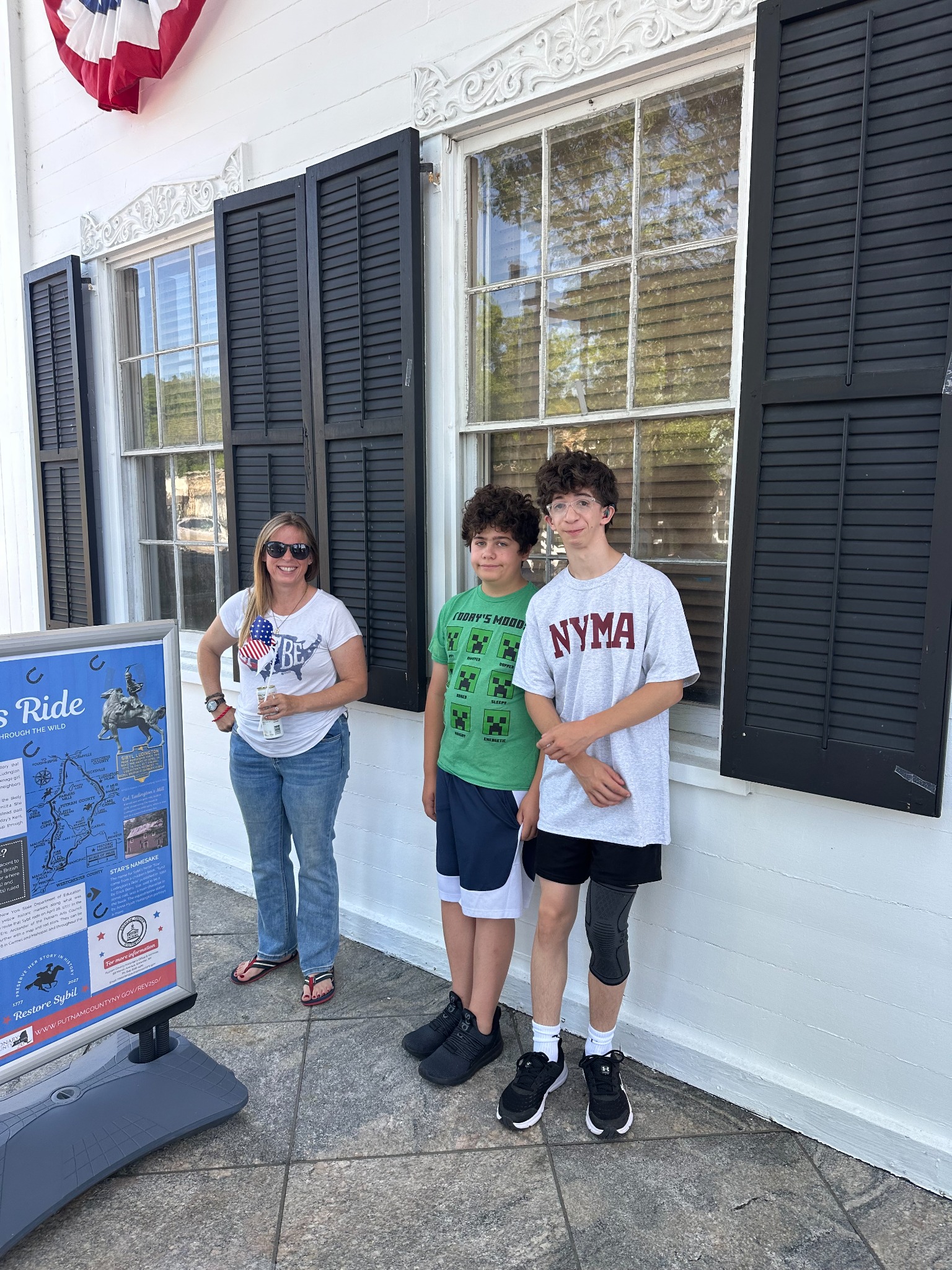
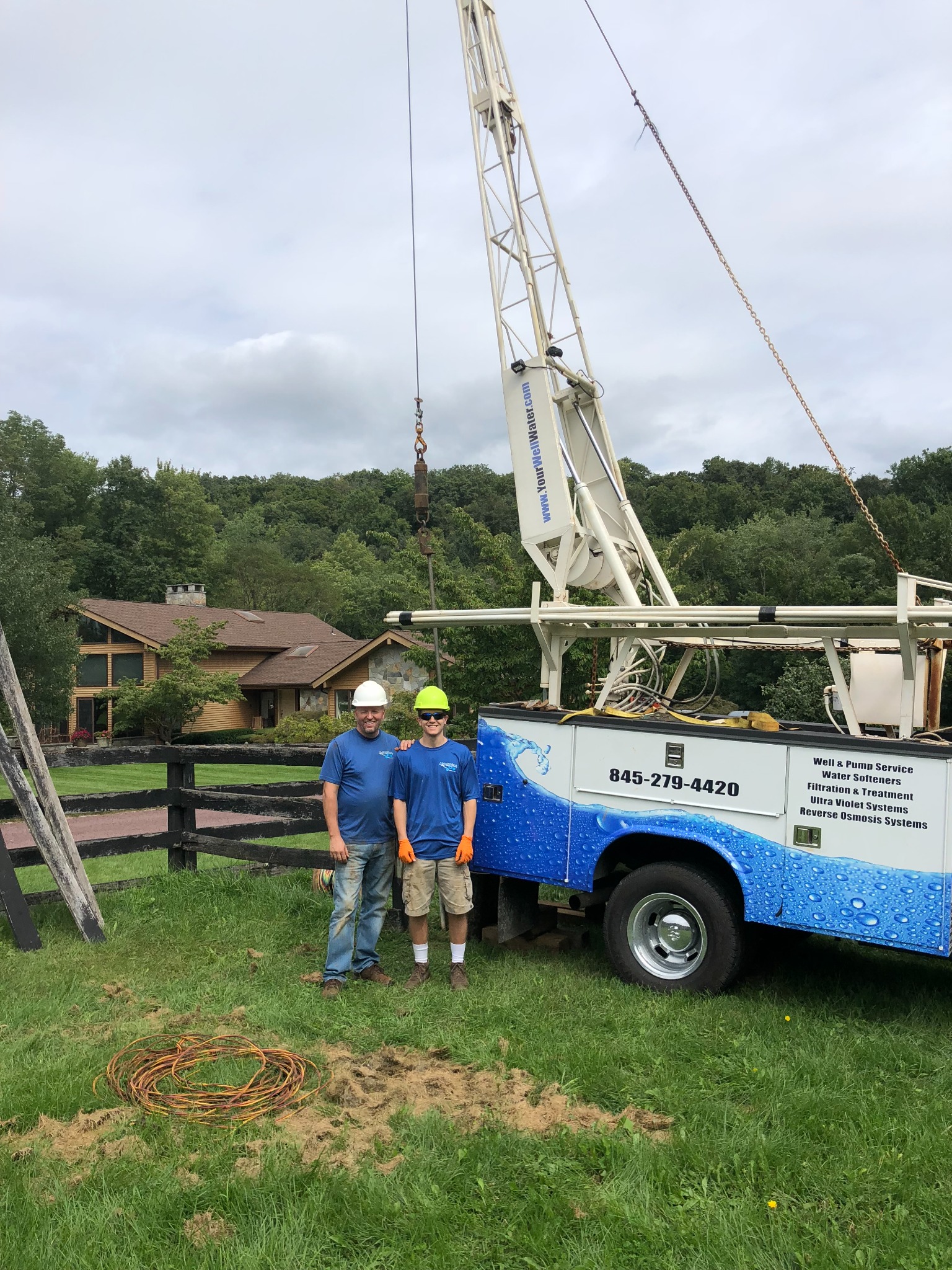
The fifth generation is now learning the business in the same way. My son Nicholas works with me at Well Pump Pro, while my son Eric works with my father. My brother Danny’s sons, Alex and Jake, also work with me. My sister Rebecca’s sons, Travis and Justin, work with Grandpa Henry during summers and school vacations.
They are learning modern pumps, electronic controls, variable-frequency drives and increasingly advanced water-treatment systems. At the same time, they are learning the older lessons that remain just as important: listen to the customer, test before replacing equipment, study the evidence left by the well and never assume that the first obvious answer is necessarily the correct one.
Technology changes, but groundwater still has the final word.

Knowledge Earned in the Field
Five generations of experience does not mean that we have seen everything. It means that every generation has added something to the knowledge received from the one before it.
From heavy machinery in a Montana copper mine, to Boyd Brothers in Norwalk, to Boyd Artesian Well Co. in Carmel and today’s Well Pump Pro team, our family history has been built around water, machinery and service.
We are proud of the equipment we have operated and the difficult projects we have completed. But the real measure of the business is simpler: helping a family get its water back, solving a problem correctly and leaving the system better than we found it.